
75,000+
Flow Meters Served

100+
Countries Served

35+
Years of Reliability
Where performance reduces uncertainty.

- Proven Custody Transfer Accuracy
Engineered for real-time, traceable, and verifiable measurement, ensuring compliance and revenue. - Rugged Field Performance
Designed to operate reliably in extreme temperatures, vibration, and hazardous. - Secure, Configurable Architecture
Role-based access, password protection, and tamper-proof data logs safeguard operations. - Reduces Integration Cost
Interfaces with SCADA, PLC, and control systems for streamlined operations.
Valued Across Critical Oil & Gas Installations
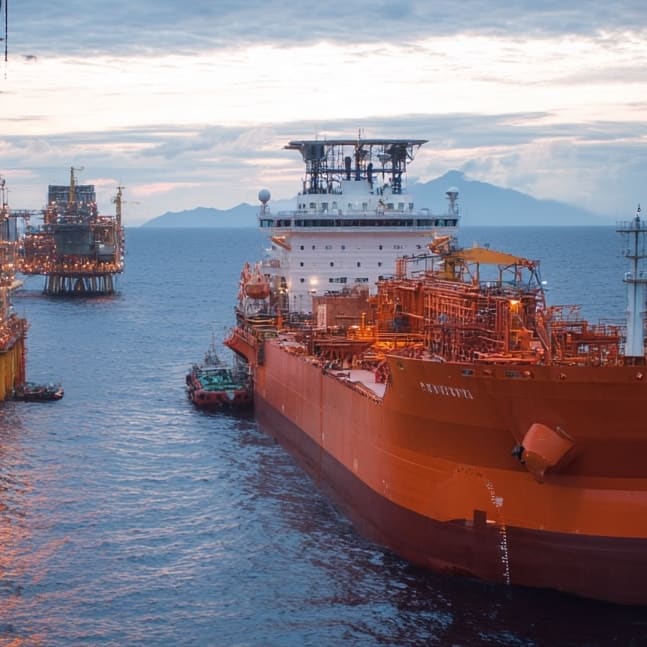
FPSO
Offshore platforms and Floating Production, Storage, and Offloading (FPSO) units play a vital role in offshore production, handling the measurement and transfer of hydrocarbons to subsea pipelines or between the vessel and receiving tankers.

Pipeline Custody Transfer
Pipeline custody transfer represents the financial backbone of the oil and gas value chain — the precise measurement of petroleum liquids as ownership changes hands between producers, transporters, and refiners.
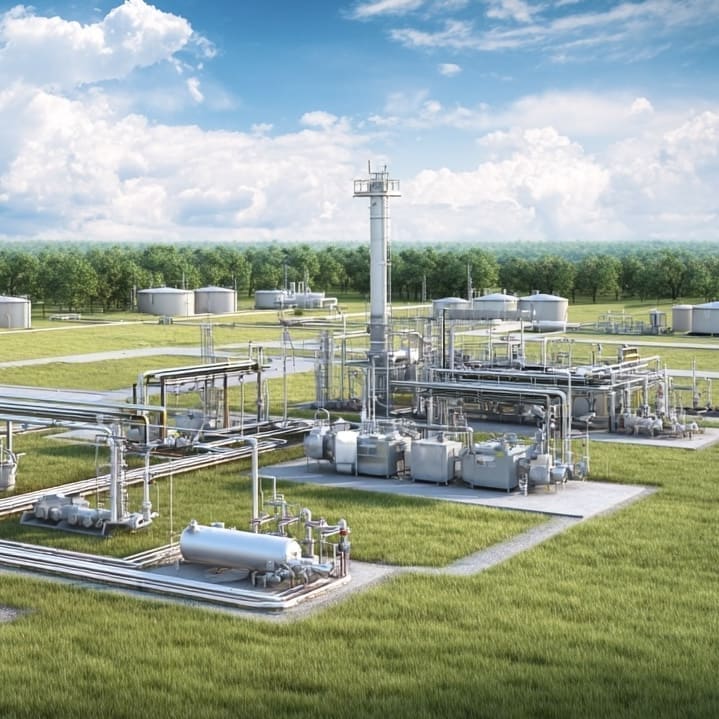
Gathering Stations
Gathering networks are the arteries of the midstream sector, collecting crude oil or natural gas from multiple field sources and moving them to refineries and gas plants or export terminals.
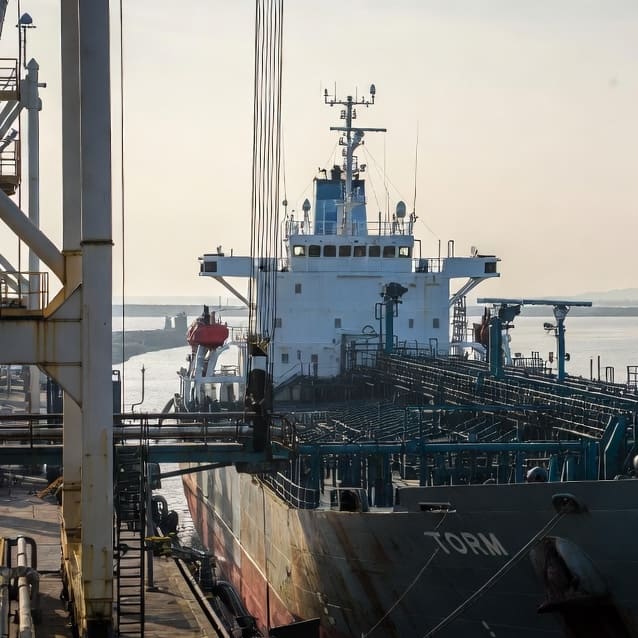
Marine Loading/Unloading
Marine loading terminals interfaces where custody transfer must be executed quickly, accurately and safely
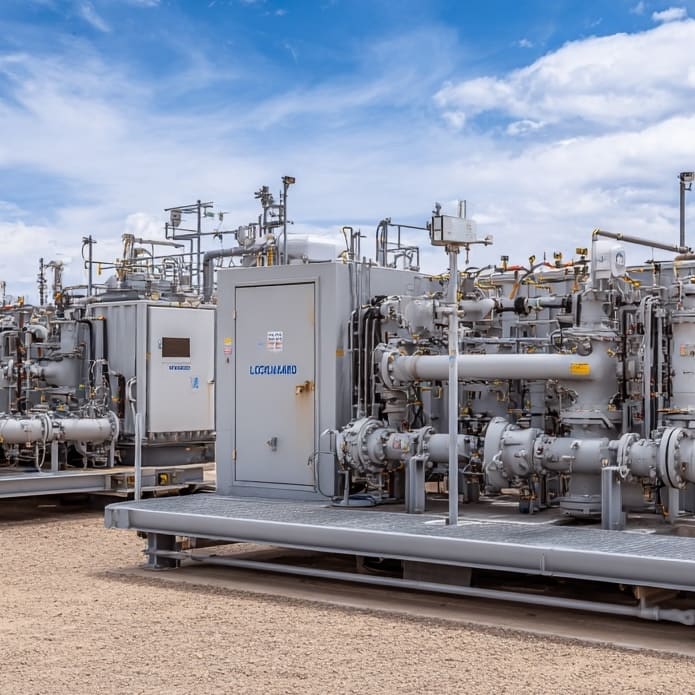
LACT Units
LACT units serve as the gatekeeper between production and midstream transport — ensuring that every barrel of crude transferred from field gathering systems is measured, sampled, and verified before entering the pipeline.
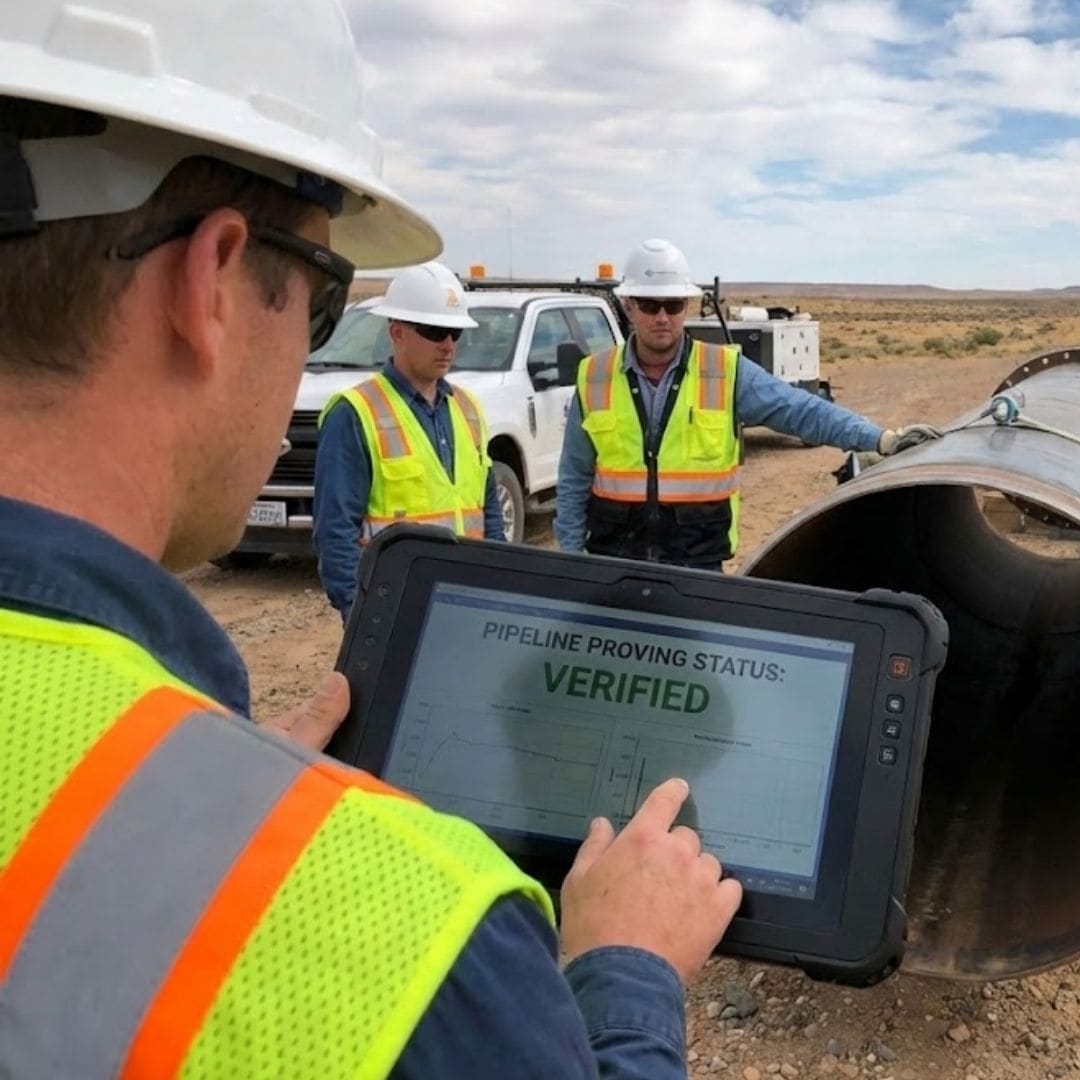
Meter Proving
Meter proving is the calibration backbone of custody transfer, confirming that each flow meter performs within regulatory accuracy limits.
Updates
Update on Models Configuration & Reduced Lead Times
Dear Valued Customer,Effective immediately, OMNI is introducing new standard model configurations for our products. These changes aredesigned to streamline offerings, ensure consistency, and accelerate delivery times. These units are being built involume to form the...
Use of Official OMNICONNECT Software Only
Dear Valued Customer, OMNI Flow computers, Inc. values our partnership and we remain committed to providing you with safe, reliable and legally compliant products and services. Our products are renowned for their quality, reliability and long-term performance....
Built for Performance
Crafted for Reliability.
From precision assembly to final quality checks, every OMNI Flow Computer is manufactured under strict standards in our U.S. facility. Our process blends advanced technology with attention to detail to deliver equipment that performs flawlessly in the most demanding environments.

Training Classes
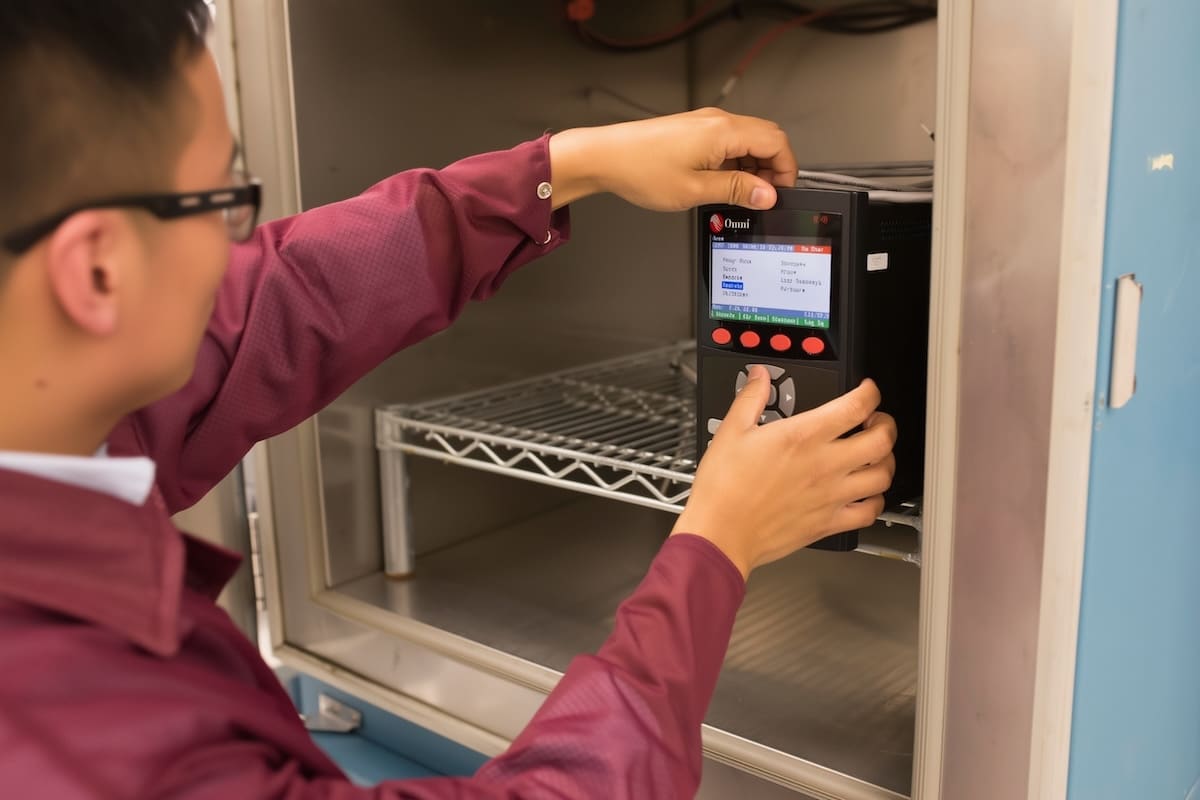
Basic Operator Online Class - TR6100
If you need to get the baseline skills required to operate the OMNI 3000/ 6000 flow computer, this is the class for you.
> Learn More
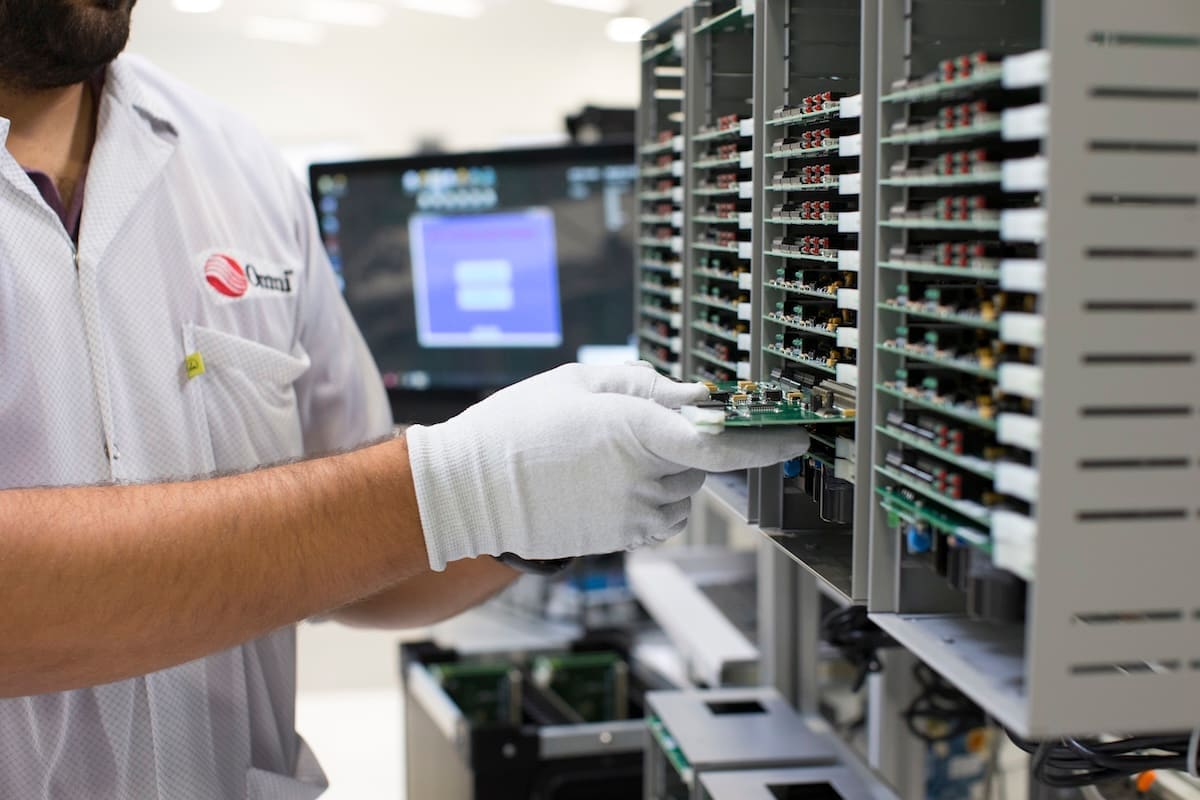
Operator Technician Class - TR6300
If you’re looking for a class that goes beyond basic navigation and front panel operations, this is the class for you.
> Learn More
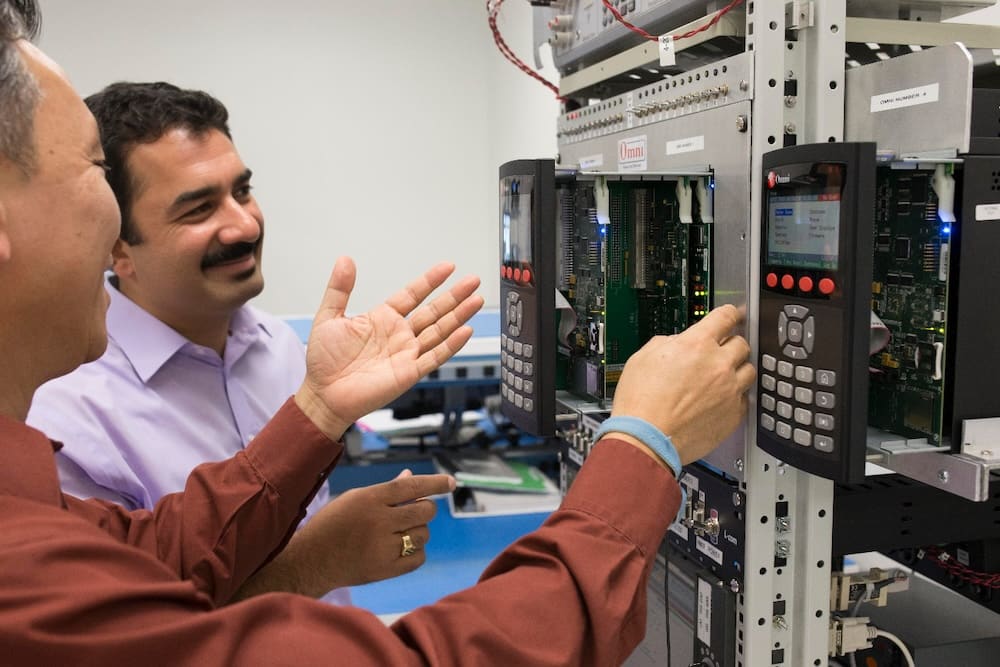
Advanced Technician Class - TR6400
If you’re already an experienced OMNI user, or you’ve completed our Operator/Technician (TR6300) class.
> Learn More
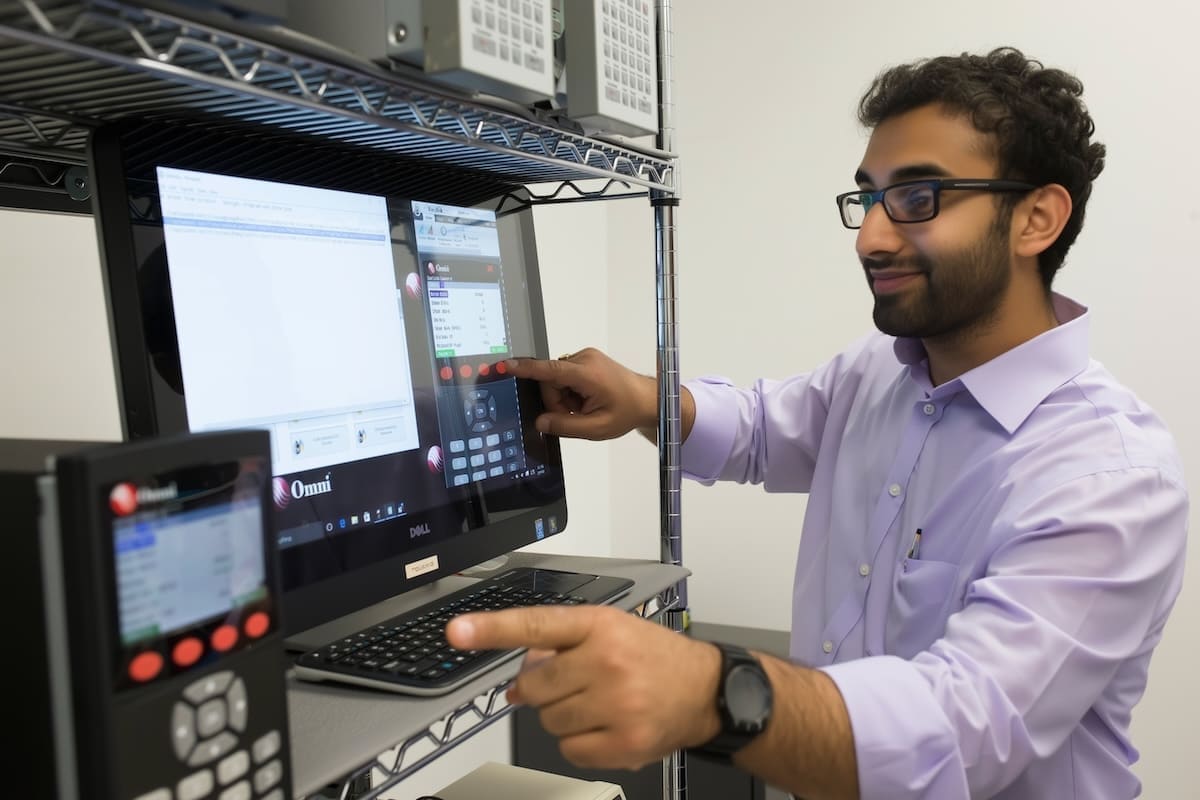
OMNI 7000
Comprehensive instrument training for operators, technicians and integrators. Get experience using the latest OMNI 7000 hardware and software tools.
> Learn More
Frequently Asked Questions
How long does an OMNI Flow Computer typically last?
OMNI Flow Computers are engineered for long-term service in custody transfer applications. It is common for OMNI systems to remain in continuous operation for 25–30 years or more, with many units still in service decades after installation. This longevity is achieved through modular hardware, firmware-centric design, and a philosophy that prioritizes reliability and upgradeability over forced obsolescence.
Can OMNI Flow Computers integrate with my existing systems?
Yes. OMNI Flow Computers are designed to integrate seamlessly with existing metering, SCADA, and data management systems commonly used in custody transfer environments. Standard communication protocols, flexible I/O configurations, and OMNI’s OMNICONNECT® software allow integration with both legacy and modern systems while maintaining measurement integrity and auditability.
Does OMNI provide training and support?
OMNI provides comprehensive training and long-term technical support to ensure reliable operation throughout the product lifecycle. Training is available for operators, technicians, and engineers, and support is provided directly by OMNI’s experienced technical staff. This ensures users can operate, maintain, and audit their systems with confidence over many years of service.
Where are OMNI Flow Computers manufactured?
OMNI Flow Computers are designed, manufactured, tested, and supported in Sugar Land, Texas, USA. Housing engineering, production, quality, and support under one roof allows OMNI to maintain strict quality control, full traceability, and consistent performance standards for custody transfer applications worldwide.
What applications are OMNI Flow Computers used for?
First-time visitors often need clarity on where OMNI systems are deployed. This question helps explain that OMNI flow computers are purpose-built for custody transfer measurement across segments such as midstream pipelines, terminals and marine loading, refining and petrochemical feedstock transfer, and gas, NGL, and LNG custody transfer—not general process control.
How does OMNI ensure measurement integrity and auditability?
New visitors frequently want to understand how OMNI protects financial accountability. This question allows OMNI to highlight secure firmware, controlled configuration changes, detailed audit trails, and compliance with API, AGA, ISO, and OIML standards, reinforcing OMNI’s role in defensible custody transfer measurement.
What is the migration path from legacy flow computers?
Many first-time visitors are operating aging systems. This question clarifies that OMNI provides a structured, non-disruptive migration path from legacy platforms (including OMNI 3000/6000 and competitive systems) to the OMNI 4000/7000 series, preserving operational knowledge while improving reliability and long-term supportability.